Every year, a quarter of humanity pauses to celebrate the oldest continuous festival in human history.
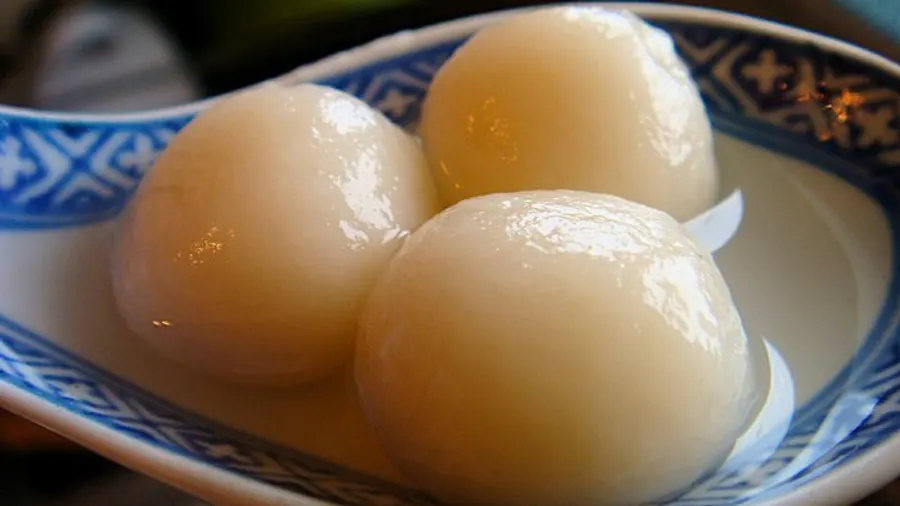
winter 22nd day of 11th lunar month (December 21–22)
冬至
Winter Solstice Festival
Heritage Traditions
1 Items
Related Stories
0 Narratives
Season
winter
Lunar Calendar
22nd day of 11th lunar month
Cultural Significance
The Winter Solstice (Dongzhi) is a time for family gatherings and eating tangyuan or dumplings. In Chinese cosmology, the solstice represents the triumph of yang (light) over yin (darkness).
Across China, this festival embodies the deep connection between celestial cycles and human culture. Its rituals — passed down through countless generations — serve as a living archive of agricultural knowledge, spiritual belief, and community bonds that define Chinese identity.
Festival Profile
- Season winter
- Lunar Calendar 22nd day of 11th lunar month
- Gregorian December 21–22
- Duration 1 Day
- Next Occurrence Dec 22, 2026
- Themes Renewal Tradition Community
Celestial Cycles
dark_mode
Phase 01 New Moon
Preparations begin
growing
Phase 02 Waxing
Ritual cleansing
brightness_7
Phase 03 Full Moon
Main celebration
bedtime
Phase 04 Waning
Closing ceremonies
Rituals of Memory
The sacred practices that define Winter Solstice Festival
temple_buddhist
Purification Rites
Cleansing of homes and bodies to welcome blessings
temple_buddhist
Ceremonial Feast
Traditional foods prepared with symbolic meaning
temple_buddhist
Public Processions
Community parades with music, dance, and lanterns
Geography of Tradition
One Festival, Many Hearts
Winter Solstice Festival is celebrated across China, with each region adding its unique interpretation while honoring the core traditions. From bustling cities to remote villages, the festival unites communities in shared remembrance and joy.
Imperial North
Bold, public, and stately. Known for grand processions and massive temple fairs.
Ancestral South
Intimate and scholarly. Emphasizing flower markets and complex clan rituals.
Heritage Items
Regional Footprint 0 regions · 1 traditions
Regional distribution data is being curated for this festival.
Heritage Constellation
冬至
Music Ceremonial rhythms
Performance Dramatic storytelling
Cuisine Festive delicacies
Rituals Sacred ceremonies
The Voice of Tradition
“The festival is the heartbeat of our village — when the drums begin, the ancestors are with us.”
Elder Zhao Festival Custodian“These celebrations encode thousands of years of agricultural wisdom and cosmic understanding.”
Lin Wei Cultural Scholar Arc of Evolution
Shang–Zhou Dynasties
Ancient Origins
Earliest recorded observances rooted in agricultural cycles and ancestor veneration.
Tang–Song Dynasties
Imperial Codification
Rituals standardized at court; festivals became secular social events.
Ming–Qing Dynasties
Regional Flourishing
Local variations emerge with specialized folk arts and regional opera.
20th–21st Century
Modern Revival
UNESCO recognition and global celebration as a symbol of cultural identity.
A Living Legacy
Winter Solstice Festival is not a museum piece; it is the air we breathe, the food we share, and the stories we tell.
Explore the ArchiveHistory & Development
Winter Solstice (Dongzhi) is the oldest calendrical anchor in East Asia: Zhou astronomers made it their year-start, and the saying dongzhi da ru nian, solstice counts as much as New Year, preserves that seniority. A gnomon shadow measurement first fixed the date, making it the founding data point of the entire solar-term system.
Han-dynasty offices closed for five days while armies and border posts went quiet, and later dynasties held court sacrifices at the Circular Mound Altar in Beijing, last performed by Yuan Shikai in 1914. Family observances continue nationwide, with northern dumplings and southern tangyuan dividing the table along the Yangtze line.
How Families Mark Dongzhi
-
Northern Dumplings
Zhang Zhongjing's frostbite-curing ear-shaped dumplings live on as the rule that ears will freeze unless you eat jiaozi on solstice day.
-
Southern Sweet Balls
Jiangnan and Lingnan boil dyed glutinous tangyuan, adding one extra ball per returning family member to count the household complete.
-
Counting Nine
Shujiu begins at solstice, nine nine-day periods tracked by calligraphy copybooks where one stroke is inked daily until spring, mirroring the precision of the twenty-four solar terms.
Common Questions
Why is Dongzhi called little new year?
Because the Zhou calendar began its year here and later eras kept treating it with New Year-grade rites, family banquets, and ancestor offerings.
Dumplings or tangyuan?
North of the Yangtze, dumplings; south of it, sweet rice balls; both encode warmth, reunion, and protection against winter cold.
What is counting nine?
A folk countdown of eighty-one days from solstice to spring warmth, tracked with poems, paintings, and daily ink strokes on nine-character grids.
Watch & Learn
Oral Tradition
Stories & Legends
Narratives from the atlas graph that share origins, practitioners, or settings with this topic.