Traditional Crafts
Inner Mongolia Autonomous Region, North China
Ancient, dating back to Xiongnu period (3rd century BCE)
National Heritage
Master-Apprentice (Hands-on)
Oral Tradition
Mongolian Felt Art
"A grassland craft of sculpting and embroidering sheep's wool felt into rugs, yurt decorations, and symbolic animal motifs."
CIVILIZATION CONTEXT
This artifact is part of the Intangible Heritage Cluster. It connects to 5 entities across the atlas, spanning 1 region, 0 masters, 0 festivals, and 0 skills.
Mongolian Felt Art: A Living Heritage
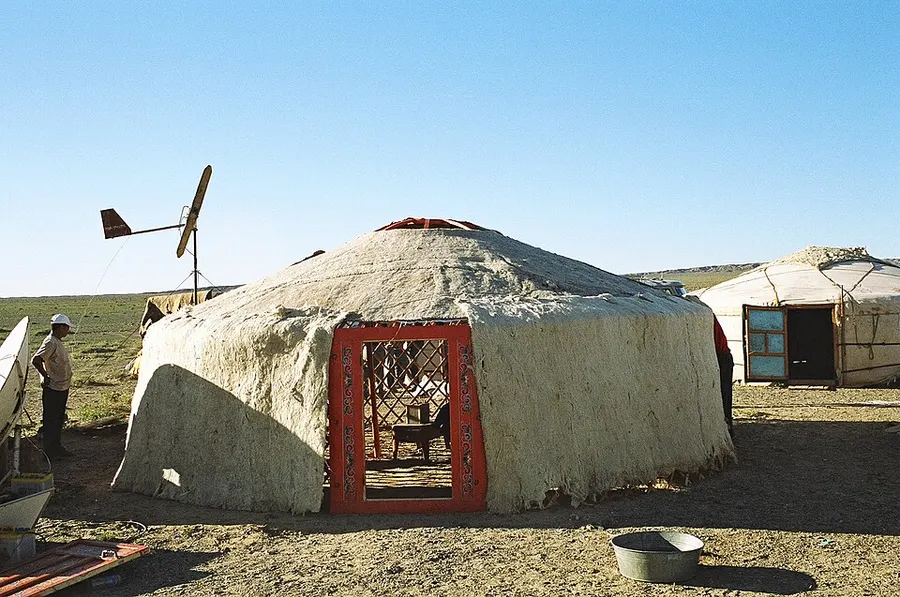
Mongolian felt art (zhaxiugong) is a traditional craft of creating decorative felt items — rugs, tent decorations, saddle blankets, and figurines — using sheep's wool felt. Artisans dye wool with natural pigments and create geometric patterns, animal motifs, and landscape designs through felting, applique, and embroidery. Yurts (ger) are traditionally adorned with felt wall hangings that provide insulation and cultural expression on the vast Mongolian grasslands.
Centuries
Years of Unbroken Lineage
0
Related Cultural Vectors
History & Development
Felt is the fabric that made steppe life possible, rolled from wool, water, and horse power long before looms reached the grasslands. Mongol herders sheathe gers in thick felt layers, floor them with decorated rugs, clothe riders in felt boots and caps, and mark ceremonies with felt banners; the material insulates against steppe winters and shrugs off rain. Decorative arts grew practical roots, with appliqué cords, stitched swirls called ulzii, and pressed patterns turning plain covers into household heraldry.
Herder communities across Inner Mongolia and the independent steppe keep seasonal felting as collective work days, neighbours gathering to roll a ger cover around a horse-drawn spindle. National and regional inventories recognise Mongol felt craftsmanship alongside related herding heritage, and contemporary designers now borrow the language, cutting ulzii motifs into urban goods; the pastoral worldview beneath these patterns runs through our Mongol culture profile, from horsetail embroidery to long song.
How It Is Made
- 01
Shearing and teasing wool
Autumn fleece is cleaned and fluffed by hand bows, autumn wool chosen for density and grease content.
- 02
Rolling the fleece
Loose wool wraps a core around a wooden shaft, then horses drag the roll across steppe for hours until fibres interlock.
- 03
Fulling and shrinking
Hot water and kneading compact the mat, and edges are trimmed square while the sheet dries in shade.
- 04
Decorating the surface
Cord appliqué, stitched spirals, and pressed stamps add protective motifs to ger bands, rugs, and saddle cloths.
Common Questions
Why felt instead of woven cloth?
Felting needs no loom and yields windproof, waterproof sheets ideal for gers, the mobile homes detailed in our Mongol profile.
How is felt actually made?
Wool, moisture, and pressure bond scales on each fibre, so hours of rolling around steppe camps literally weld the fleece into cloth.
What do the patterns mean?
Ulzii knots and ram-horn swirls stand for continuity and prosperity, guarding the household seams where felt meets frame.
Watch & Learn
Stories & Legends
Mongolian Long Song: The Grasslands Singing
historicalA melody as vast as the steppe, born among the nomads of Inner Mongolia.
Related Places
Relationship Constellation
Tracing the invisible threads that connect Mongolian Felt Art to the broader civilization ecosystem.
Continue the Journey
Mongolian Felt Art
Traditional Crafts
Dai Peacock Dance
Traditional Dance
arrow_forwardTibetan Guozhuang Dance
Traditional Dance
arrow_forwardShadow Puppet Carving Craft
Traditional Crafts
arrow_forward